Back to the Classroom: Amir’s Story
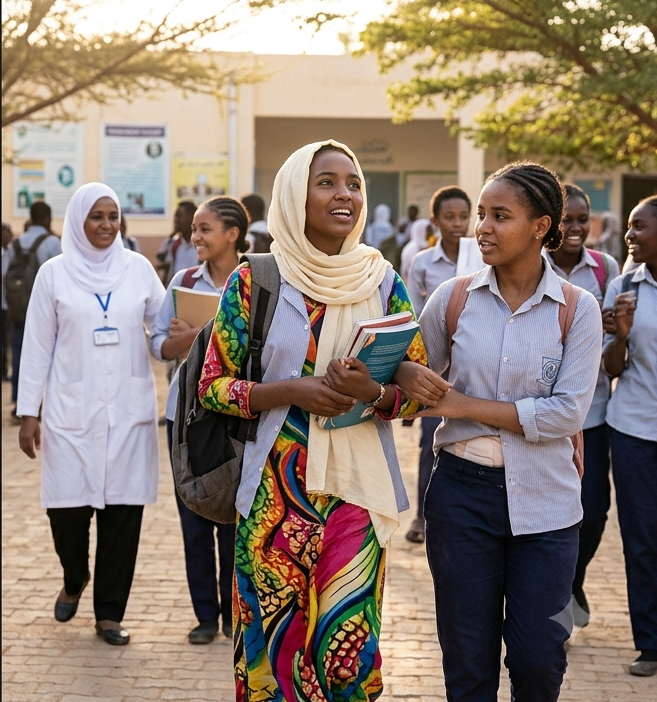
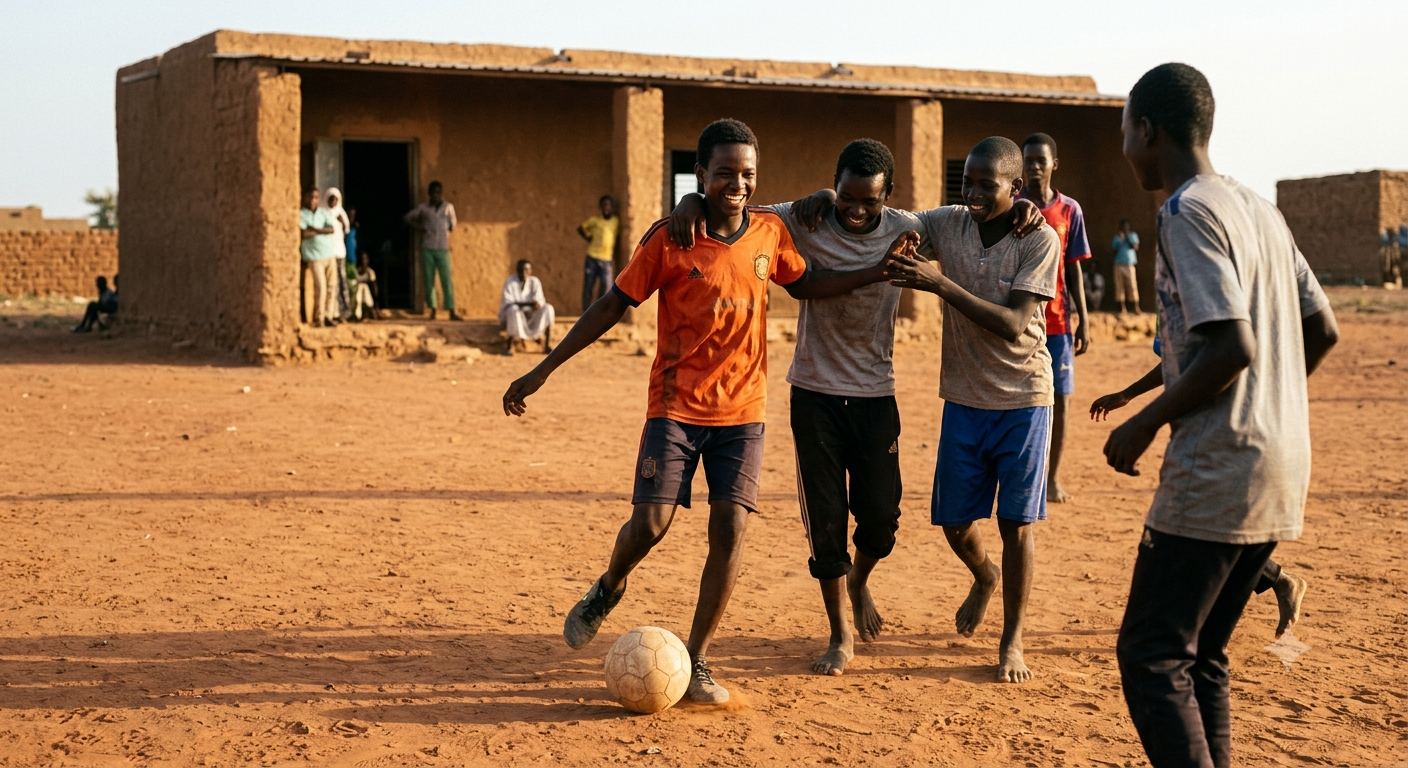
At fourteen, Amir’s world was small and complete: the classroom he never wanted to miss, the friends he had known since infancy, and the dusty football pitch behind the school where he was always picked first.
He was a boy in constant motion — first to arrive, last to leave, the one forever calling the next game into being. School was not a chore to Amir but the centre of everything, and the pitch was where he felt most fully himself, surrounded by the noise of friends.

The world pulls away
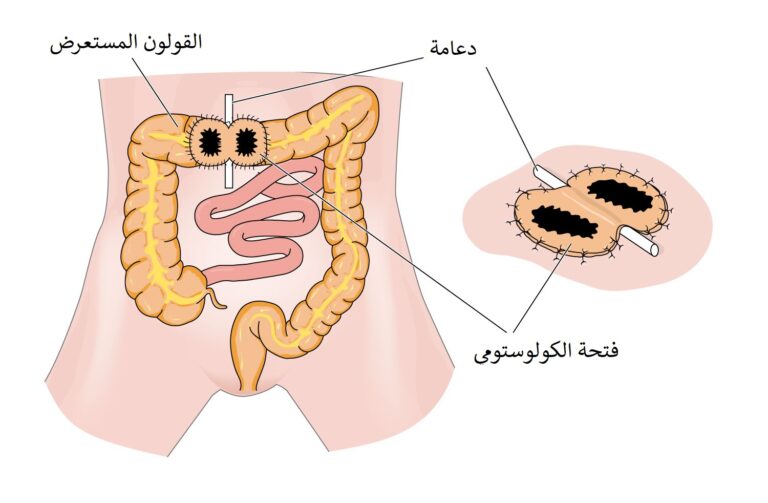
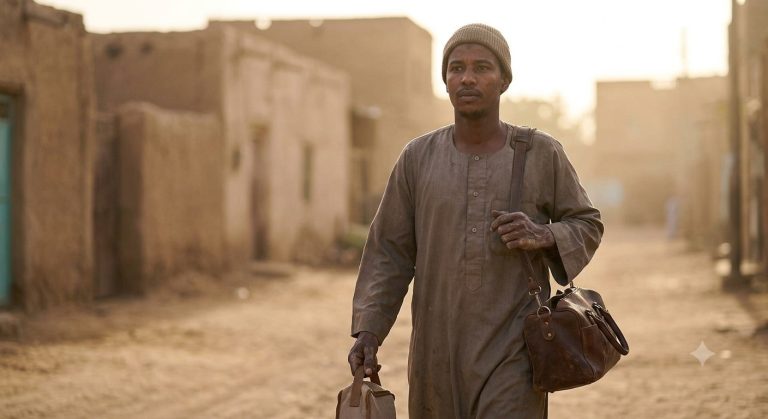
Then surgery — the operation that saved his life — left him with a stoma, and the bright, busy boy fell silent. It was not the medicine that frightened him but the certainty that everyone would notice; that the boy who once led the game would now be watched and whispered about. With the war emptying the pharmacy shelves, his family could not reliably find what he needed, and without it even leaving the house felt impossible. He stopped answering his friends. Weeks of school slipped quietly by.

It was not the stoma that kept Amir at home. It was the fear of being seen — the conviction, so total in a teenager, that he had become someone to stare at rather than someone to play with. The further he withdrew, the larger that fear grew.
A door reopens
What changed was quiet and practical. A reliable supply of stoma care products arrived — the simple foundation he had been missing. A nurse showed him, step by step, how to manage everything himself, until it became routine rather than crisis. And he met another young person living with a stoma: someone who laughed about it, went to school, played sport.
For the first time since the operation, Amir saw a version of his own future that he recognised — and it looked a great deal like his past. The boy who had gone quiet began, cautiously, to speak again.

Back on the pitch
He went back to class. Then, one ordinary afternoon, back to the pitch — where his friends heard him calling the next game as if he had never been away. The stoma had not disappeared; it had simply stopped defining him. This is the quiet transformation we see again and again: a young life narrowed by fear, opened back up by the right support at the right moment.
An illustrative story. To protect the privacy and dignity of the people we serve, this account does not portray a real, identifiable individual. It is a fictional story drawn from the real experiences and outcomes of Giving Island’s work, written to convey the human reality behind the supplies we deliver.
Behind every story like this is a simple thing: the right supplies, delivered in time.