Living with a Stoma: A Practical Guide to Your First 30 Days
The first month with a stoma can feel overwhelming, but with a little routine and the right support, daily life soon starts to feel manageable again.
Give yourself time to adjust
In the early weeks, your stoma may change in size and your output may settle into a pattern. This is normal. Be patient with yourself: adjusting to a stoma is as much an emotional process as a practical one, and progress often comes a little at a time.
Build a simple daily routine
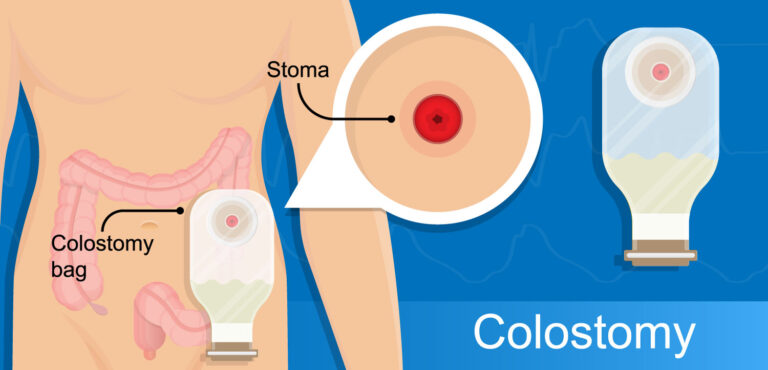
A predictable routine reduces stress. Decide on a regular time to check and change your pouch, keep your supplies together in one place, and learn the steps until they become second nature. Many people find emptying the pouch when it is around one-third full works best.
Keep supplies stocked
Running low on supplies is a common source of anxiety. Keep a small reserve at home and a spare kit with you when you go out, so you are never caught unprepared. For patients in places where supplies are hard to find, planning ahead is especially important.
Eat, drink and rest
Reintroduce foods gradually, chew well, and stay hydrated. Rest matters too: your body is healing. If something worries you — unusual colour, severe pain, or no output — contact your stoma nurse or doctor.
Above all, remember that thousands of people live full, active lives with a stoma. The first 30 days are the steepest part of the climb — and it does get easier.
This article provides general information and is not a substitute for medical advice. Always follow the guidance of your stoma nurse or healthcare professional.
Giving Island delivers stoma care supplies to patients in Sudan. Help us reach more.